Accra, December 12, 2025 – EXCLUSIVE!
A seismic scandal is erupting in Ghana’s education sector, shaking the very foundation of the NDC government and sending shockwaves across the nation.
BREAKING: Teachers Forced to PAY GH¢25,000 for Jobs They Deserve!
In a jaw-dropping expose, thousands of desperate, qualified teachers are being extorted for a staggering GH¢25,000 just to receive their appointment letters and staff IDs. This isn’t just corruption – it’s a crime against Ghana’s future. A web of forged documents signed under the name of Ghana Education Service (GES) Director-General Professor Ernest Kofi Davis has surfaced, pointing to a massive bribery ring that’s exploiting hardworking graduates, while schools across the country remain understaffed.
President Mahama’s Government in the Crosshairs!
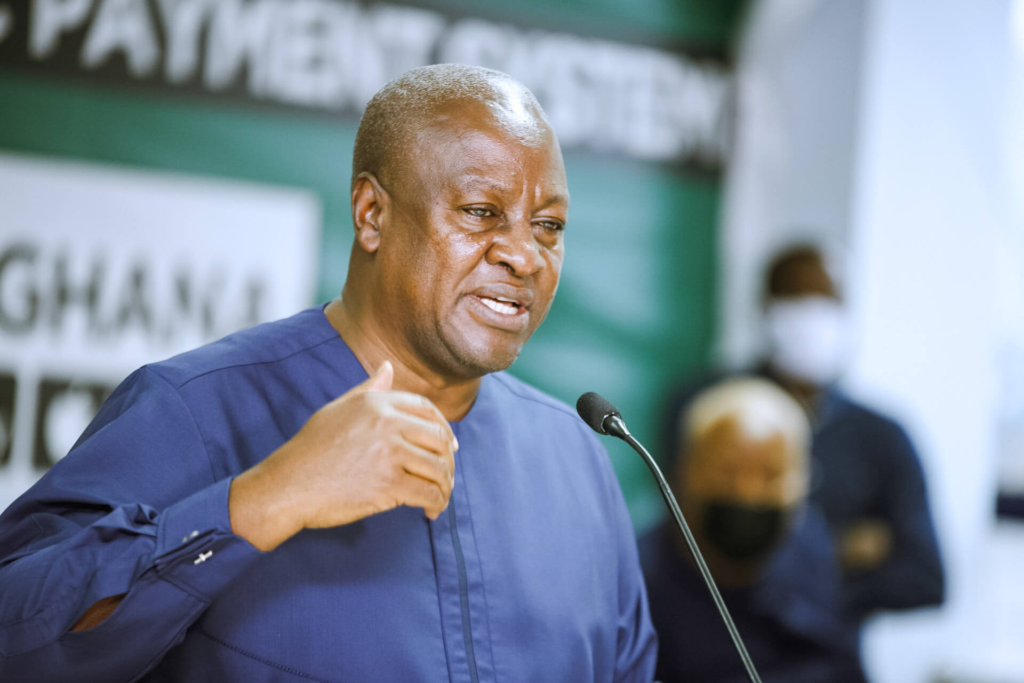
This explosive scandal is now directly implicating former President John Dramani Mahama and his NDC government, who appointed Davis as a so-called “reformer” to clean up the system. But now, it’s clear – the situation is getting WORSE, not better!
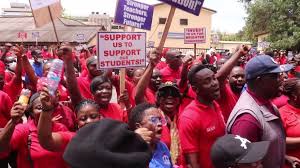
Tens of thousands of graduates are stuck in limbo, with 50,000+ teaching jobs announced earlier this year disappearing into a black hole of bureaucracy and corruption. Protests are breaking out across the country as the youth cry foul at the bribery ring that’s stealing their futures.
“We Paid to Teach – And Now We’re Being Robbed!”
In viral footage from Adom FM’s popular show “Dwaboso Nsem Nsem,” Richard Boakye, an unemployed teacher, fired back at the injustice: “I qualified to teach – so why must I PAY just to get a job? I’m starving, and these vultures demand money for what I deserve!” His story has sparked an outpouring of anger, fueling a nationwide outcry as desperate teachers come together to expose the truth.
Meanwhile, the Coalition for Unemployed Trained Teachers has revealed shocking insider information. Paul Octhere Karikari, the group’s leader, went public, saying: “This isn’t just bad luck – it’s deliberate sabotage! They’re excluding the poor while the well-connected cash in!”
Ghost Recruitment and a Corrupt Empire
Even screenshots are circulating of fake recruitment letters, backdated appointments, and evidence of ghost payrolls – all of which have lined the pockets of the corrupt officials behind the scandal. This comes as a bombshell report from the Office of the Special Prosecutor (OSP) reveals the full scale of the disaster. Kissi Agyebeng, the Special Prosecutor, has uncovered GH¢2.85 million in taxpayer money wasted in 2024 alone on fraudulent schemes tied to the GES!
As Davis’s regime crumbles under the weight of these allegations, questions abound. Why hasn’t Davis – who was handpicked by Mahama to reform the system – acted against this rampant corruption? Why are teachers being blackmailed into paying bribes when their jobs should be guaranteed by law?
Ghana Faces a Crisis of Leadership

As the nation’s education system threatens to implode, protests are intensifying. On social media, angry Ghanaians are demanding that Mahama fire Davis immediately, launch a full investigation, and put an end to this bribe empire that is bleeding the country dry.
The mounting public outrage has reached a boiling point, and with no signs of resolution in sight, calls for revolution are growing louder. Youth unemployment is soaring, and the 2025 WASSCE results are disastrous—all part of a larger crisis that’s putting the future of Ghana’s children at risk.
]]>The Space, titled “Youth, Jobs, Accountability & Good Governance,” drew more than 48,000 live listeners, pushing #NDCBuriedTheYouth to the No.1 spot on Ghana X.
What followed was a three-hour avalanche of anger, frustration, and raw testimonies from young Ghanaians watching their futures collapse in slow motion.
“Students can’t pay fees — the promises were empty.”
Abigail Iddrisu (@BillionaireAi25) didn’t mince words:
“Students admitted to university are still waiting for the government to pay fees promised in the manifesto. Nothing. How do they survive?”
“National Service postings rejected — unless you know somebody.”
Nat G. Tetteh (@NatGTetteh) dropped a bomb:
“State agencies are rejecting National Service postings. If you don’t have connections, forget it. This is pushing young graduates into despair.”
“2024 promises have turned into 2025 suffering.”
Akosua NPP Warrior:
“They promised heaven in 2024. They have delivered hell in 2025. The youth are wide awake. 2028 is payback time.”
Leaked memo triggers political earthquake
A leaked Finance Ministry memo ordering sharp cuts to revived NABCO jobs sent the Space into chaos.
Meanwhile:
- Free SHS feeding grants are 11 months in arrears
- nursing and teacher allowances are still “under review”
The question repeatedly asked: “What exactly is working for the youth?”
“Every lie will be replayed until 2028.”
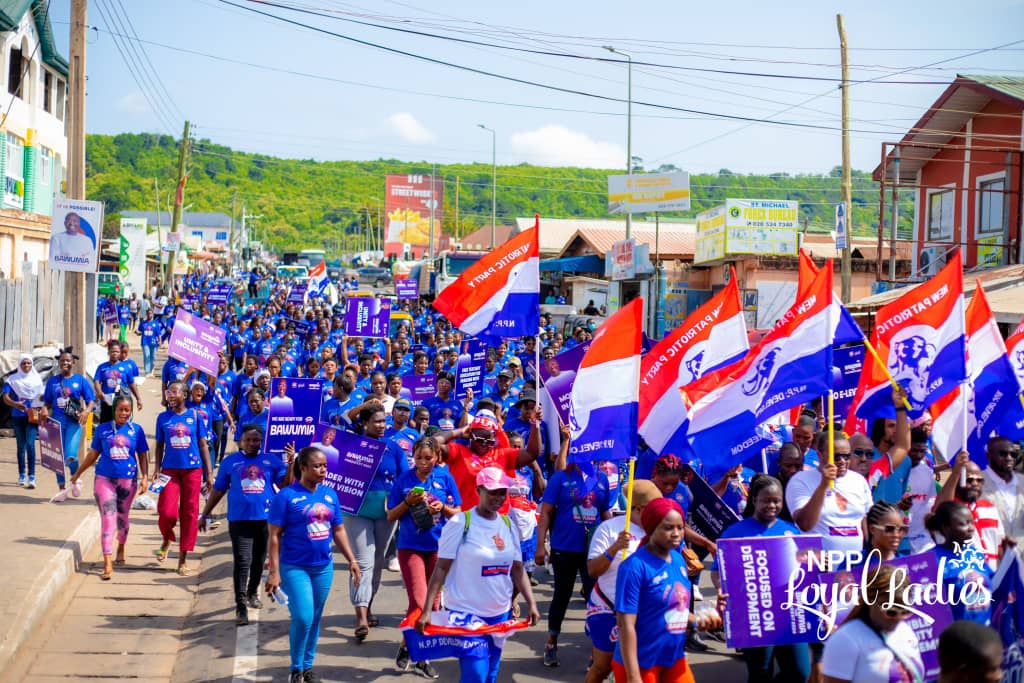
In a fiery closing statement, NPP Loyal Ladies Director for Diaspora Affairs Ms Karen Kemetse declared a full political offensive:
“Every lie will be replayed in every village until 2028. The youth have been betrayed — but they will have the last laugh.”
She announced weekly Monday-night exposés leading up to the 2028 elections.
Analysts: the youth vote is slipping fast
Political watchers warn the NDC may be losing grip on the very demographic that secured victory in 2024. Some analysts describe the youth vote as being “on emergency life support.”
Ghana’s political temperature is boiling. And tonight’s Space made one thing clear: the 2028 countdown has already begun.
Accra, December 8, 2025 — GhanaSpeak News Desk
A major political controversy has erupted after a representative of the Office of the Special Prosecutor (OSP) appeared to confirm the existence of a WhatsApp group that includes senior journalists, civil society actors, and officials from state accountability institutions.
The comment, made during a live interview on JoyNews’ Newsfile, suggested the group includes the Auditor-General and even representatives of the Supreme Court.
The OSP official’s remark came during a discussion on corruption and ethical reform. When asked by journalist Manasseh Azure Awuni about coordination between the OSP and government actors, the official replied, “There is a government WhatsApp group that we are on… to chart a new path on ethics and corruption policy.”
He later attempted to clarify the point, insisting the group was “not influenced” by government direction.
Social media reaction was immediate. The hashtag #Abanfooaba trended within hours, with many users questioning why journalists and oversight institutions would be part of a group apparently coordinated by the ruling administration. The timing also added fuel to the controversy, with the comment occurring on the first anniversary of President John Mahama’s 2024 election victory.
Opposition figures quickly moved to frame the development as evidence of political interference. In a Twitter Space hosted hours later, contributors described the group as a “narrative-shaping circle” protecting government interests at a time of increasing economic pressure and complaints of rising unemployment.
Franklin Cudjoe of IMANI Africa distanced himself from the group, stating that no member of his organization was part of the chat, and raised concerns that such a platform could be used to influence accountability processes.
Unconfirmed reports circulating online suggest that the original WhatsApp group was dissolved shortly after the backlash and replaced with a new one.
The Presidency is yet to issue an official response.
Ghana continues to face questions over youth joblessness and slow progress on the promised 24-hour economy. Opposition figures say the current scandal only reinforces fears that key state institutions are compromised.
GhanaSpeak.com will continue monitoring this developing story.
]]>
Education is the heartbeat of Ghana’s future. It is the single most important investment in our youth, shaping whether they rise to global competitiveness or remain trapped in cycles of mediocrity. Over the past two decades, Ghana’s education system has been defined by two contrasting traditions: the New Patriotic Party (NPP), which has consistently expanded access and improved outcomes, and the National Democratic Congress (NDC), which has repeatedly reversed progress, leaving behind systemic failures.
Kufuor’s Vision: The Four-Year Senior High School
President John Agyekum Kufuor’s administration introduced the four-year Senior High School (SHS) system, a bold reform that gave students more time to absorb content and prepare for WAEC examinations.
- WAEC pass rates improved during the four-year cycle.
- Teachers reported reduced pressure and better preparedness among students.
- More students qualified for tertiary education, strengthening Ghana’s human capital base.
This was a reform rooted in foresight, prioritizing the long-term success of Ghanaian youth.
Mahama’s Reversal: Back to Three Years
President John Mahama’s government scrapped the four-year SHS, reverting to three years. The decision was driven more by political expediency than educational logic.
- Students were rushed through syllabi.
- WAEC failures increased, particularly in core subjects.
- Teachers expressed frustration at the collapse of standards.
Recent WAEC statistics underline the damage: in 2025, Core Mathematics pass rates dropped from 66.86% in 2024 to just 48.73%, while English fell from 66.98% to 56.76. These declines are not abstract numbers, they represent thousands of young lives disadvantaged by poor policy choices.
Akufo-Addo’s Free SHS and Teacher Allowances
President Nana Akufo-Addo’s Free SHS policy, launched in 2017, was a landmark reform. For the first time, financial barriers were removed, allowing every child to access secondary education.
- Over 5.7 million students have benefited since its inception.
- Enrollment surged nationwide, bridging the gap between rich and poor.
- Gender parity improved, giving girls equal opportunities in education.
Akufo-Addo also restored teacher trainee allowances, boosting morale and attracting more young people into the teaching profession. Motivated teachers translate into stronger classrooms and better student outcomes.
Mahama’s Attack on Teachers
Mahama’s government scrapped teacher trainee allowances, claiming fiscal unsustainability.
- Teacher morale collapsed.
- Fewer young people pursued teaching careers.
- Classrooms suffered from shortages and declining quality.
The correlation is undeniable: demoralized teachers + underprepared students = mass WAEC failures.
The Brutal Truth
The evidence is clear:
- NPP reforms (Kufuor’s four-year SHS, Akufo-Addo’s Free SHS and teacher allowances) expanded access, improved outcomes, and motivated teachers.
- NDC reversals under Mahama destroyed progress, fueled exam failures, and crippled Ghana’s education system.
Mahama’s tenure represents a dark chapter in Ghana’s education history. His policies prioritized politics over pedagogy, leaving Ghanaian youth disadvantaged in global competitiveness.
Final Word
If Ghana is serious about building a future of excellence, it must reject the destructive reversals of the NDC and protect the visionary reforms of the NPP. Education is not a playground for political experimentsit is the lifeline of our nation.
Speaking on the state of the NPP, Boadu stressed the urgent need for consistency and sustained relationship-building within the party’s leadership structure. According to him, electoral victories do not emerge from isolated effort but from deliberate teamwork anchored in trust and coordination.
He noted that “to win elections, a political party must demonstrate unity, clarity of purpose, and a leadership team that communicates consistently both internally and with the public.”
Boadu emphasized that one of the strategic pillars to securing national victory is ensuring a strong parliamentary majority. He argued that the executive arm of government and by extension the party’s agenda faces significant limitations without firm backing in Parliament. As such, he urged the party to be “deliberate and strategic” in decision-making regarding parliamentary seats and candidate selection.
Touching on the ongoing dynamics within the NPP, Boadu outlined five key areas that should shape the conversation around the national chairman race, although he did not indicate support for any particular contender. These areas include:
- Leadership competence and consistency
- Capacity to unify the party across all levels
- Ability to drive nationwide rebranding and public confidence
- Strength in building influential national networks and alliances
- Strategic thinking in support of both parliamentary and presidential victories
Boadu maintained that the next chairman must be someone capable of advancing a modern, reenergized brand for the party one that resonates with both loyalists and undecided voters.
The former General Secretary further highlighted the importance of national influencers in shaping public perception. He explained that engaging credible voices across media, academia, youth platforms, and community leadership would significantly strengthen the NPP’s public image.
He also called for “massive rebranding” to ensure the party remains attractive heading into future elections.
On internal discipline, Boadu was firm: the NPP must be “resolute, strong, and fair” by allowing individuals found guilty of wrongdoing to face consequences. This, he argued, is essential to shield the party from being unfairly associated with the actions of individuals who may have abused their authority.
Boadu also underscored the necessity of building a more robust communication structure capable of defending the party’s policies and countering misinformation. He advised that a dedicated team of lawyers is equally crucial, particularly in safeguarding the party’s interests during legal and constitutional disputes, including matters involving the Attorney General.
https://twitter.com/dashelleadu/status/1989067625448800728?s=46
He argued that in a highly competitive political environment, the ability to respond quickly and lawfully to accusations or unlawful actions is an indispensable asset.
]]>
For those that fell for and still believe in the ORAL lies, let me help put things into perspective.
- US$21.19 billion is about the same amount as the entire 2025 budget.
The direct wage bill for the public sector for 2025 is less than 6.5b usd.
Our entire budget for capital expenditure in 2025 is less than 3 billion usd.
So imagine what US$ 21.19 billion is.
- This amount is roughly one fifth of our expenditure over the last 8 years.
So it is absurd and ridiculous to suggest that, that amount has been stolen and went into some individuals pockets and can and will be recovered.
If you still believe that is possible, then let’s look at a couple of the 38 cases that Okudjeto presented.
A. Bank of Ghana Head office – US$ 222.7
How is the entire construction cost of a project that is duly delivered and in use be recoverable because you think the amount was inflated?
B. GHS80 billion (about US$7 billion) from BOG. money they claim was printed to support Government business. The accusation is not that this was misappropriated, but that it required parliamentary approval. So how do you recover it?
Mind you the same Okudjeto accepted non Ghanaian deportees from US without parliamentary approval.
C. Then there is PDS, US$190 million.
The funny thing about this one is that, they claim GHS1 billion of money collected by PDS is unaccounted for. However, ORAL is not interested in that. They rather want to recover the US$190 million grant that was forfeited.
Yes, you read it right. We are talking about money that was never given to Ghana. The US cancelled the compact because the PDS deal did not go through.
D. Pullman tax waiver. US$ 23.9 million.
Silly, this one.
No law was broken and the request went through the proper process and received parliamentary approval.
Not agreeing with it does not make it recoverable. If that is the case then we can start with recovering the waivers giving to Dzata cement or the US$832 million to MPS by NDC.
In any case, the pullman project has stalled, so most likely, they have not utilised the entire waiver. So it is impossible to recover the amount that ORAL is claiming.
So fellow Ghanaians, these were the Anansi stories sold to us by Okudzeto Ablakwa and his committee.
]]>US President Joe Biden has revealed plans to expel Uganda, Gabon, Niger and the Central African Republic (CAR) from a special US-Africa trade program.
The countries were either involved in “gross violations” of human rights or not making progress towards democratic rule, the President stated. Burkina Faso, Mali, and Guinea have all previously been expelled from AGOA after military coups in those countries.
The US introduced the African Growth and Opportunity Act (AGOA) in 2000.
It gives eligible sub-Saharan African countries duty-free access to the US for more than 1,800 products.
President Biden said that Niger and Gabon – both of which are currently under military rule following coups this year – are ineligible for AGOA because they “have not established, or are not making continual progress toward establishing the protection of political pluralism and the rule of law”.
He also said that the removal of the CAR and Uganda from the program was due to “gross violations of internationally recognized human rights” by their governments.
In May, the US government had said it was considering removing Uganda from AGOA and introducing sanctions on the country after it passed a controversial anti-homosexuality law.
The law, which imposes a death penalty on people found guilty of engaging in certain same-sex acts, has faced global criticism.
“Despite intensive engagement between the United States and the Central African Republic, Gabon, Niger, and Uganda, these countries have failed to address United States concerns about their non-compliance with the AGOA eligibility criteria,” President Biden said on Monday, in a letter addressed to the speaker of the US House of Representatives.
The four countries are yet to react to the announcement, which comes just before South Africa is due to host the 20th AGOA forum from Thursday this week.
Their expulsion from AGOA is set to take effect from the start of next year and is likely to impact their economies, as AGOA has been credited with promoting exports, economic growth, and job creation among participating countries.
CAR is likely to be the least impacted by the AGOA expulsion, as it only recorded $881,000 (£722,300) in US exports in 2022, according to US government data.
The country, however, imported goods worth $23m from the US in the same year, creating a massive trade deficit between the two countries.
US data also show that Uganda exported goods worth $174m to the US last year, while Gabon and Niger recorded US exports of $220m and $73m respectively in the same period.
Last month, Ugandan President Yoweri Museveni said that several American companies had already stopped importing textiles – which fall under the Agoa trade deal – from Uganda because of the passing of the anti-homosexuality law.
“The homosexuals in the US are interfering with our export of textiles. Some of the orders have been canceled there,” Mr Museveni was quoted as saying by the privately owned Daily Monitor newspaper.
In August, Mr Museveni banned the importation of second-hand clothes, a move thought to target the US, which is a major supplier of used garments to Uganda and other African countries.
The threat to exclude Niger and Gabon from AGOA is the latest US government action against the two junta-led countries.
The US State Department announced last week that it had suspended most foreign aid to Gabon and would only resume assistance if Gabon’s transitional government establishes democratic rule.
In August, US Secretary of State Antony Blinken announced a similar measure against Niger, saying that the US “is pausing certain foreign assistance programs benefitting the government of Niger”.
]]>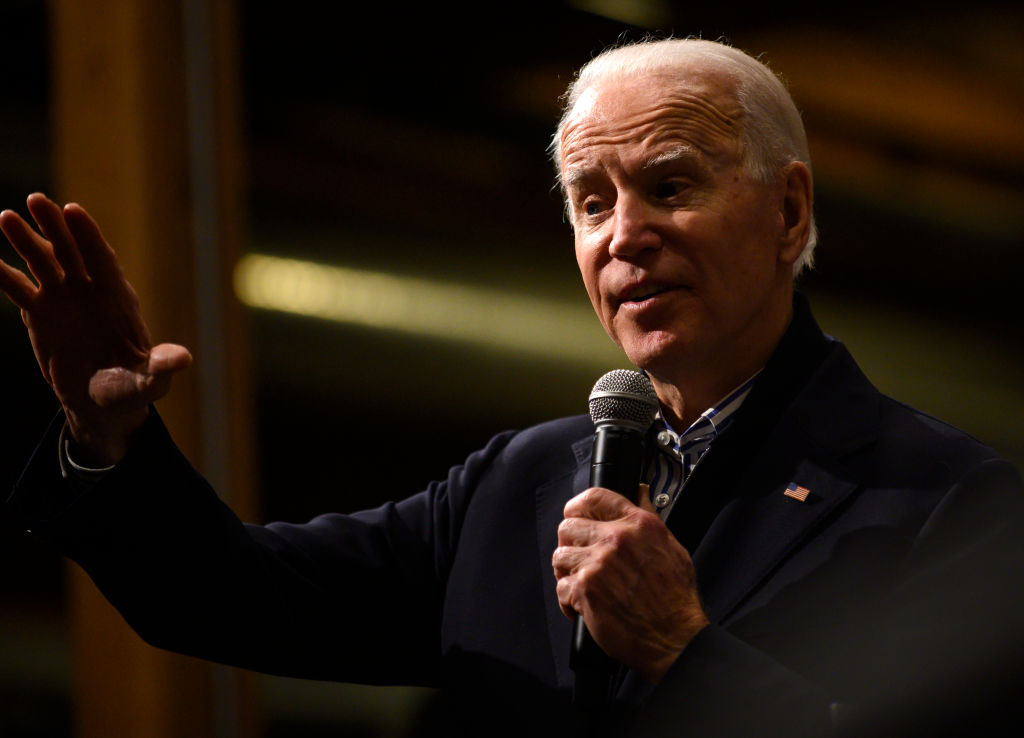
President Joseph R. Biden, USA.
(image credit: Newsweek.com)
credit: Gloria Aradi (BBC News)
US President Joe Biden has revealed plans to expel Uganda, Gabon, Niger, and the Central African Republic (CAR) from a special US-Africa trade program. Burkina Faso, Mali, and Guinea have all previously been expelled from the African Growth and Opportunity Act (Agoa) after military coups in those countries.
The countries were either involved in “gross violations” of human rights or not making progress towards democratic rule, the President argued.
The US introduced the African Growth and Opportunity Act (Agoa) in 2000.
It gives eligible sub-Saharan African countries duty-free access to the US for more than 1,800 products.
President Biden said that Niger and Gabon – both of which are currently under military rule following coups this year – are ineligible for Agoa because they “have not established, or are not making continual progress toward establishing the protection of political pluralism and the rule of law”.
He also said that the removal of the CAR and Uganda from the program was due to “gross violations of internationally recognized human rights” by their governments.
In May, the US government had said it was considering removing Uganda from Agoa and introducing sanctions on the country after it passed a controversial anti-homosexuality law.
The law, which imposes a death penalty on people found guilty of engaging in certain same-sex acts, has faced global criticism.
“Despite intensive engagement between the United States and the Central African Republic, Gabon, Niger, and Uganda, these countries have failed to address United States concerns about their non-compliance with the Agoa eligibility criteria,” President Biden said on Monday, in a letter addressed to the speaker of the US House of Representatives.
The four countries are yet to react to the announcement, which comes just before South Africa is due to host the 20th Agoa forum from Thursday this week.
Their expulsion from Agoa is set to take effect from the start of next year and is likely to impact their economies, as Agoa has been credited with promoting exports, economic growth, and job creation among participating countries.
CAR is likely to be the least impacted by the Agoa expulsion, as it only recorded $881,000 (£722,300) in US exports in 2022, according to US government data.
The country, however, imported goods worth $23m from the US in the same year, creating a massive trade deficit between the two countries.
US data also show that Uganda exported goods worth $174m to the US last year, while Gabon and Niger recorded US exports of $220m and $73m respectively in the same period.
Last month, Ugandan President Yoweri Museveni said that several American companies had already stopped importing textiles – which fall under the Agoa trade deal – from Uganda because of the passing of the anti-homosexuality law.
“The homosexuals in the US are interfering with our export of textiles. Some of the orders have been canceled there,” Mr. Museveni was quoted as saying by the privately owned Daily Monitor newspaper.
In August, Mr Museveni banned the importation of second-hand clothes, a move thought to target the US, which is a major supplier of used garments to Uganda and other African countries.
The threat to exclude Niger and Gabon from Agoa is the latest US government action against the two junta-led countries.
The US State Department announced last week that it had suspended most foreign aid to Gabon and would only resume assistance if Gabon’s transitional government establishes democratic rule.
In August, US Secretary of State Antony Blinken announced a similar measure against Niger, saying that the US “is pausing certain foreign assistance programs benefitting the government of Niger”.
]]>
Story by Hayford Nyanor Kodua (editor)
Washington DC (GS) Ghana’s bustling Information and Communications Technology (ICT) sector is projected to contribute a significant share towards the country’s Gross Domestic Product (GDP).
According to the latest figures released by the International Trade Administration (ITA), an agency under the US Department of Commerce in Washington DC, Ghana’s relentless focus on the development of the ICT sector through accelerated education and ICT infrastructure development, has positioned the country on the path towards integrating its mostly informal business domain into the current advanced world economy.
Led by the Telecommunications industry, the ICT sector added over One billion and Seven Hundred thousand US dollars (US $1.7bn) to Ghana’s economy in 2017 when the New Patriotic Party (NPP) administration took over the reins of power from the erstwhile National Democratic Congress (NDC) party, resulting in an increase of about 3% to the GDP.
Immediately after the smooth transfer of power from the NDC to the NPP in 2017, Ghana’s Vice President, Dr. Mahamudu Bawumia, launched a national crusade to stress the importance of the ICT sector to Ghana’s economic development. The Vice President made it a priority to promote the study of ICT in basic schools up to the university level to train and equip the younger generation with the skills and knowledge in the ICT sector.
Currently, the ICT sector (telephone companies, internet service providers, data processing and storage, television and radio stations, social media platforms, etc), is the fastest-growing industry in Ghana. Data from the ITA of the US Department of Commerce projects the ICT sector to increase to Five Billion US dollars (US $5bn) by the year 2030, contributing 6.25% to the country’s GDP.
Mr. ‘Digitalisation’, as Vice President Bawumia has become known due to his persistent efforts to improve upon ICT education and infrastructure development in Ghana, businesses in the country can now engage in trade and financial transactions with the push of a button. Financial Technology companies (fintechs), such as mobile money operators have made electronic money transfer the most popular means of payment among traders and employers. This has reduced the wait and travel time associated with in-person over-the-counter transactions.
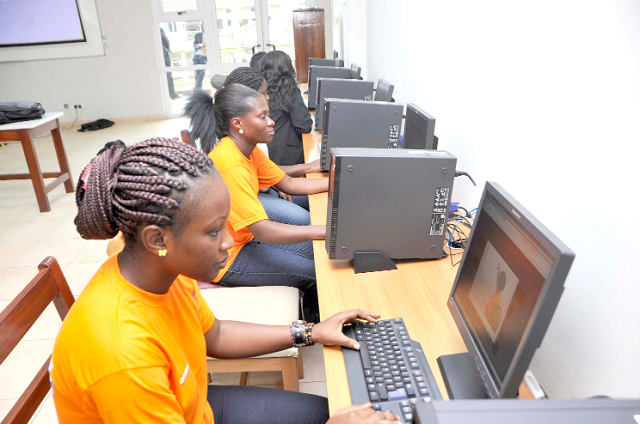
Under the leadership of Vice President Bawumia aka Mr. ‘Digitalisation’, the Accra Digital Center (ADC), National Communication Authority (NCA), and the National Information Technology Agency (NITA), have all been resourced to enable them to operate effectively and offer ICT services to both the state and the private sectors. The Vice President is also involved in the setting up of ICT centers in Ghana’s basic schools and state universities and training colleges with free Wifi access to prepare the next generation of business leaders and innovators for the technologically embedded world economic order.
Ghana is now the second most developed ICT industry in West Africa with internet and mobile phone usage penetration of 68.2%, (World Bank figures), second only to the tiny Island-nation of Cape Verde. This figure has almost doubled since the NPP party took over from the NDC in 2017, (38%). To put it in context, West Africa’s economic powerhouse, Nigeria, can only boast of 55% internet usage among its population.
The infusion of capital and the rapid infrastructure development in the ICT sector has created lots of good-paying jobs for the youth Business owners have also been spared the hustle of waiting on paper checks to clear at the banks, which can take weeks to go through. Instant Mobile Money Transfer (MoMo) has made it possible to move cash around anywhere in Ghana for payment of salaries and wages, remittances, and to make deposits for goods and services.
]]>