Accra, December 12, 2025 – EXCLUSIVE!
A seismic scandal is erupting in Ghana’s education sector, shaking the very foundation of the NDC government and sending shockwaves across the nation.
BREAKING: Teachers Forced to PAY GH¢25,000 for Jobs They Deserve!
In a jaw-dropping expose, thousands of desperate, qualified teachers are being extorted for a staggering GH¢25,000 just to receive their appointment letters and staff IDs. This isn’t just corruption – it’s a crime against Ghana’s future. A web of forged documents signed under the name of Ghana Education Service (GES) Director-General Professor Ernest Kofi Davis has surfaced, pointing to a massive bribery ring that’s exploiting hardworking graduates, while schools across the country remain understaffed.
President Mahama’s Government in the Crosshairs!
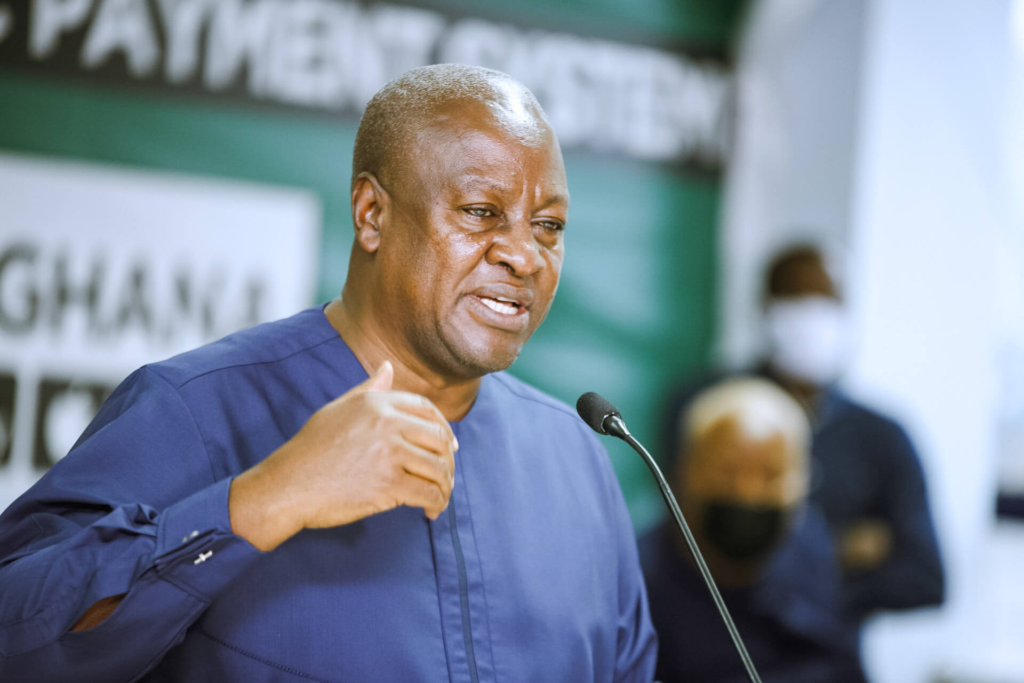
This explosive scandal is now directly implicating former President John Dramani Mahama and his NDC government, who appointed Davis as a so-called “reformer” to clean up the system. But now, it’s clear – the situation is getting WORSE, not better!
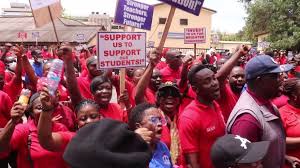
Tens of thousands of graduates are stuck in limbo, with 50,000+ teaching jobs announced earlier this year disappearing into a black hole of bureaucracy and corruption. Protests are breaking out across the country as the youth cry foul at the bribery ring that’s stealing their futures.
“We Paid to Teach – And Now We’re Being Robbed!”
In viral footage from Adom FM’s popular show “Dwaboso Nsem Nsem,” Richard Boakye, an unemployed teacher, fired back at the injustice: “I qualified to teach – so why must I PAY just to get a job? I’m starving, and these vultures demand money for what I deserve!” His story has sparked an outpouring of anger, fueling a nationwide outcry as desperate teachers come together to expose the truth.
Meanwhile, the Coalition for Unemployed Trained Teachers has revealed shocking insider information. Paul Octhere Karikari, the group’s leader, went public, saying: “This isn’t just bad luck – it’s deliberate sabotage! They’re excluding the poor while the well-connected cash in!”
Ghost Recruitment and a Corrupt Empire
Even screenshots are circulating of fake recruitment letters, backdated appointments, and evidence of ghost payrolls – all of which have lined the pockets of the corrupt officials behind the scandal. This comes as a bombshell report from the Office of the Special Prosecutor (OSP) reveals the full scale of the disaster. Kissi Agyebeng, the Special Prosecutor, has uncovered GH¢2.85 million in taxpayer money wasted in 2024 alone on fraudulent schemes tied to the GES!
As Davis’s regime crumbles under the weight of these allegations, questions abound. Why hasn’t Davis – who was handpicked by Mahama to reform the system – acted against this rampant corruption? Why are teachers being blackmailed into paying bribes when their jobs should be guaranteed by law?
Ghana Faces a Crisis of Leadership

As the nation’s education system threatens to implode, protests are intensifying. On social media, angry Ghanaians are demanding that Mahama fire Davis immediately, launch a full investigation, and put an end to this bribe empire that is bleeding the country dry.
The mounting public outrage has reached a boiling point, and with no signs of resolution in sight, calls for revolution are growing louder. Youth unemployment is soaring, and the 2025 WASSCE results are disastrous—all part of a larger crisis that’s putting the future of Ghana’s children at risk.
]]>The Space, titled “Youth, Jobs, Accountability & Good Governance,” drew more than 48,000 live listeners, pushing #NDCBuriedTheYouth to the No.1 spot on Ghana X.
What followed was a three-hour avalanche of anger, frustration, and raw testimonies from young Ghanaians watching their futures collapse in slow motion.
“Students can’t pay fees — the promises were empty.”
Abigail Iddrisu (@BillionaireAi25) didn’t mince words:
“Students admitted to university are still waiting for the government to pay fees promised in the manifesto. Nothing. How do they survive?”
“National Service postings rejected — unless you know somebody.”
Nat G. Tetteh (@NatGTetteh) dropped a bomb:
“State agencies are rejecting National Service postings. If you don’t have connections, forget it. This is pushing young graduates into despair.”
“2024 promises have turned into 2025 suffering.”
Akosua NPP Warrior:
“They promised heaven in 2024. They have delivered hell in 2025. The youth are wide awake. 2028 is payback time.”
Leaked memo triggers political earthquake
A leaked Finance Ministry memo ordering sharp cuts to revived NABCO jobs sent the Space into chaos.
Meanwhile:
- Free SHS feeding grants are 11 months in arrears
- nursing and teacher allowances are still “under review”
The question repeatedly asked: “What exactly is working for the youth?”
“Every lie will be replayed until 2028.”
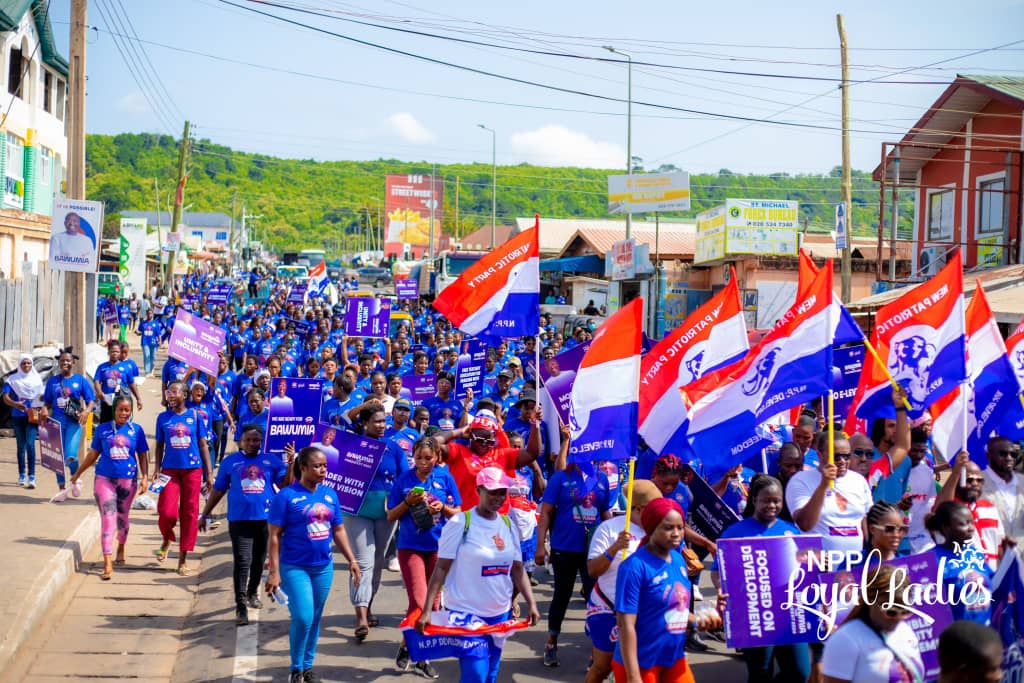
In a fiery closing statement, NPP Loyal Ladies Director for Diaspora Affairs Ms Karen Kemetse declared a full political offensive:
“Every lie will be replayed in every village until 2028. The youth have been betrayed — but they will have the last laugh.”
She announced weekly Monday-night exposés leading up to the 2028 elections.
Analysts: the youth vote is slipping fast
Political watchers warn the NDC may be losing grip on the very demographic that secured victory in 2024. Some analysts describe the youth vote as being “on emergency life support.”
Ghana’s political temperature is boiling. And tonight’s Space made one thing clear: the 2028 countdown has already begun.
Accra, December 8, 2025 — GhanaSpeak News Desk
A major political controversy has erupted after a representative of the Office of the Special Prosecutor (OSP) appeared to confirm the existence of a WhatsApp group that includes senior journalists, civil society actors, and officials from state accountability institutions.
The comment, made during a live interview on JoyNews’ Newsfile, suggested the group includes the Auditor-General and even representatives of the Supreme Court.
The OSP official’s remark came during a discussion on corruption and ethical reform. When asked by journalist Manasseh Azure Awuni about coordination between the OSP and government actors, the official replied, “There is a government WhatsApp group that we are on… to chart a new path on ethics and corruption policy.”
He later attempted to clarify the point, insisting the group was “not influenced” by government direction.
Social media reaction was immediate. The hashtag #Abanfooaba trended within hours, with many users questioning why journalists and oversight institutions would be part of a group apparently coordinated by the ruling administration. The timing also added fuel to the controversy, with the comment occurring on the first anniversary of President John Mahama’s 2024 election victory.
Opposition figures quickly moved to frame the development as evidence of political interference. In a Twitter Space hosted hours later, contributors described the group as a “narrative-shaping circle” protecting government interests at a time of increasing economic pressure and complaints of rising unemployment.
Franklin Cudjoe of IMANI Africa distanced himself from the group, stating that no member of his organization was part of the chat, and raised concerns that such a platform could be used to influence accountability processes.
Unconfirmed reports circulating online suggest that the original WhatsApp group was dissolved shortly after the backlash and replaced with a new one.
The Presidency is yet to issue an official response.
Ghana continues to face questions over youth joblessness and slow progress on the promised 24-hour economy. Opposition figures say the current scandal only reinforces fears that key state institutions are compromised.
GhanaSpeak.com will continue monitoring this developing story.
]]>
Education is the heartbeat of Ghana’s future. It is the single most important investment in our youth, shaping whether they rise to global competitiveness or remain trapped in cycles of mediocrity. Over the past two decades, Ghana’s education system has been defined by two contrasting traditions: the New Patriotic Party (NPP), which has consistently expanded access and improved outcomes, and the National Democratic Congress (NDC), which has repeatedly reversed progress, leaving behind systemic failures.
Kufuor’s Vision: The Four-Year Senior High School
President John Agyekum Kufuor’s administration introduced the four-year Senior High School (SHS) system, a bold reform that gave students more time to absorb content and prepare for WAEC examinations.
- WAEC pass rates improved during the four-year cycle.
- Teachers reported reduced pressure and better preparedness among students.
- More students qualified for tertiary education, strengthening Ghana’s human capital base.
This was a reform rooted in foresight, prioritizing the long-term success of Ghanaian youth.
Mahama’s Reversal: Back to Three Years
President John Mahama’s government scrapped the four-year SHS, reverting to three years. The decision was driven more by political expediency than educational logic.
- Students were rushed through syllabi.
- WAEC failures increased, particularly in core subjects.
- Teachers expressed frustration at the collapse of standards.
Recent WAEC statistics underline the damage: in 2025, Core Mathematics pass rates dropped from 66.86% in 2024 to just 48.73%, while English fell from 66.98% to 56.76. These declines are not abstract numbers, they represent thousands of young lives disadvantaged by poor policy choices.
Akufo-Addo’s Free SHS and Teacher Allowances
President Nana Akufo-Addo’s Free SHS policy, launched in 2017, was a landmark reform. For the first time, financial barriers were removed, allowing every child to access secondary education.
- Over 5.7 million students have benefited since its inception.
- Enrollment surged nationwide, bridging the gap between rich and poor.
- Gender parity improved, giving girls equal opportunities in education.
Akufo-Addo also restored teacher trainee allowances, boosting morale and attracting more young people into the teaching profession. Motivated teachers translate into stronger classrooms and better student outcomes.
Mahama’s Attack on Teachers
Mahama’s government scrapped teacher trainee allowances, claiming fiscal unsustainability.
- Teacher morale collapsed.
- Fewer young people pursued teaching careers.
- Classrooms suffered from shortages and declining quality.
The correlation is undeniable: demoralized teachers + underprepared students = mass WAEC failures.
The Brutal Truth
The evidence is clear:
- NPP reforms (Kufuor’s four-year SHS, Akufo-Addo’s Free SHS and teacher allowances) expanded access, improved outcomes, and motivated teachers.
- NDC reversals under Mahama destroyed progress, fueled exam failures, and crippled Ghana’s education system.
Mahama’s tenure represents a dark chapter in Ghana’s education history. His policies prioritized politics over pedagogy, leaving Ghanaian youth disadvantaged in global competitiveness.
Final Word
If Ghana is serious about building a future of excellence, it must reject the destructive reversals of the NDC and protect the visionary reforms of the NPP. Education is not a playground for political experimentsit is the lifeline of our nation.
Speaking on the state of the NPP, Boadu stressed the urgent need for consistency and sustained relationship-building within the party’s leadership structure. According to him, electoral victories do not emerge from isolated effort but from deliberate teamwork anchored in trust and coordination.
He noted that “to win elections, a political party must demonstrate unity, clarity of purpose, and a leadership team that communicates consistently both internally and with the public.”
Boadu emphasized that one of the strategic pillars to securing national victory is ensuring a strong parliamentary majority. He argued that the executive arm of government and by extension the party’s agenda faces significant limitations without firm backing in Parliament. As such, he urged the party to be “deliberate and strategic” in decision-making regarding parliamentary seats and candidate selection.
Touching on the ongoing dynamics within the NPP, Boadu outlined five key areas that should shape the conversation around the national chairman race, although he did not indicate support for any particular contender. These areas include:
- Leadership competence and consistency
- Capacity to unify the party across all levels
- Ability to drive nationwide rebranding and public confidence
- Strength in building influential national networks and alliances
- Strategic thinking in support of both parliamentary and presidential victories
Boadu maintained that the next chairman must be someone capable of advancing a modern, reenergized brand for the party one that resonates with both loyalists and undecided voters.
The former General Secretary further highlighted the importance of national influencers in shaping public perception. He explained that engaging credible voices across media, academia, youth platforms, and community leadership would significantly strengthen the NPP’s public image.
He also called for “massive rebranding” to ensure the party remains attractive heading into future elections.
On internal discipline, Boadu was firm: the NPP must be “resolute, strong, and fair” by allowing individuals found guilty of wrongdoing to face consequences. This, he argued, is essential to shield the party from being unfairly associated with the actions of individuals who may have abused their authority.
Boadu also underscored the necessity of building a more robust communication structure capable of defending the party’s policies and countering misinformation. He advised that a dedicated team of lawyers is equally crucial, particularly in safeguarding the party’s interests during legal and constitutional disputes, including matters involving the Attorney General.
https://twitter.com/dashelleadu/status/1989067625448800728?s=46
He argued that in a highly competitive political environment, the ability to respond quickly and lawfully to accusations or unlawful actions is an indispensable asset.
]]>
For those that fell for and still believe in the ORAL lies, let me help put things into perspective.
- US$21.19 billion is about the same amount as the entire 2025 budget.
The direct wage bill for the public sector for 2025 is less than 6.5b usd.
Our entire budget for capital expenditure in 2025 is less than 3 billion usd.
So imagine what US$ 21.19 billion is.
- This amount is roughly one fifth of our expenditure over the last 8 years.
So it is absurd and ridiculous to suggest that, that amount has been stolen and went into some individuals pockets and can and will be recovered.
If you still believe that is possible, then let’s look at a couple of the 38 cases that Okudjeto presented.
A. Bank of Ghana Head office – US$ 222.7
How is the entire construction cost of a project that is duly delivered and in use be recoverable because you think the amount was inflated?
B. GHS80 billion (about US$7 billion) from BOG. money they claim was printed to support Government business. The accusation is not that this was misappropriated, but that it required parliamentary approval. So how do you recover it?
Mind you the same Okudjeto accepted non Ghanaian deportees from US without parliamentary approval.
C. Then there is PDS, US$190 million.
The funny thing about this one is that, they claim GHS1 billion of money collected by PDS is unaccounted for. However, ORAL is not interested in that. They rather want to recover the US$190 million grant that was forfeited.
Yes, you read it right. We are talking about money that was never given to Ghana. The US cancelled the compact because the PDS deal did not go through.
D. Pullman tax waiver. US$ 23.9 million.
Silly, this one.
No law was broken and the request went through the proper process and received parliamentary approval.
Not agreeing with it does not make it recoverable. If that is the case then we can start with recovering the waivers giving to Dzata cement or the US$832 million to MPS by NDC.
In any case, the pullman project has stalled, so most likely, they have not utilised the entire waiver. So it is impossible to recover the amount that ORAL is claiming.
So fellow Ghanaians, these were the Anansi stories sold to us by Okudzeto Ablakwa and his committee.
]]>US President Joe Biden has revealed plans to expel Uganda, Gabon, Niger and the Central African Republic (CAR) from a special US-Africa trade program.
The countries were either involved in “gross violations” of human rights or not making progress towards democratic rule, the President stated. Burkina Faso, Mali, and Guinea have all previously been expelled from AGOA after military coups in those countries.
The US introduced the African Growth and Opportunity Act (AGOA) in 2000.
It gives eligible sub-Saharan African countries duty-free access to the US for more than 1,800 products.
President Biden said that Niger and Gabon – both of which are currently under military rule following coups this year – are ineligible for AGOA because they “have not established, or are not making continual progress toward establishing the protection of political pluralism and the rule of law”.
He also said that the removal of the CAR and Uganda from the program was due to “gross violations of internationally recognized human rights” by their governments.
In May, the US government had said it was considering removing Uganda from AGOA and introducing sanctions on the country after it passed a controversial anti-homosexuality law.
The law, which imposes a death penalty on people found guilty of engaging in certain same-sex acts, has faced global criticism.
“Despite intensive engagement between the United States and the Central African Republic, Gabon, Niger, and Uganda, these countries have failed to address United States concerns about their non-compliance with the AGOA eligibility criteria,” President Biden said on Monday, in a letter addressed to the speaker of the US House of Representatives.
The four countries are yet to react to the announcement, which comes just before South Africa is due to host the 20th AGOA forum from Thursday this week.
Their expulsion from AGOA is set to take effect from the start of next year and is likely to impact their economies, as AGOA has been credited with promoting exports, economic growth, and job creation among participating countries.
CAR is likely to be the least impacted by the AGOA expulsion, as it only recorded $881,000 (£722,300) in US exports in 2022, according to US government data.
The country, however, imported goods worth $23m from the US in the same year, creating a massive trade deficit between the two countries.
US data also show that Uganda exported goods worth $174m to the US last year, while Gabon and Niger recorded US exports of $220m and $73m respectively in the same period.
Last month, Ugandan President Yoweri Museveni said that several American companies had already stopped importing textiles – which fall under the Agoa trade deal – from Uganda because of the passing of the anti-homosexuality law.
“The homosexuals in the US are interfering with our export of textiles. Some of the orders have been canceled there,” Mr Museveni was quoted as saying by the privately owned Daily Monitor newspaper.
In August, Mr Museveni banned the importation of second-hand clothes, a move thought to target the US, which is a major supplier of used garments to Uganda and other African countries.
The threat to exclude Niger and Gabon from AGOA is the latest US government action against the two junta-led countries.
The US State Department announced last week that it had suspended most foreign aid to Gabon and would only resume assistance if Gabon’s transitional government establishes democratic rule.
In August, US Secretary of State Antony Blinken announced a similar measure against Niger, saying that the US “is pausing certain foreign assistance programs benefitting the government of Niger”.
]]>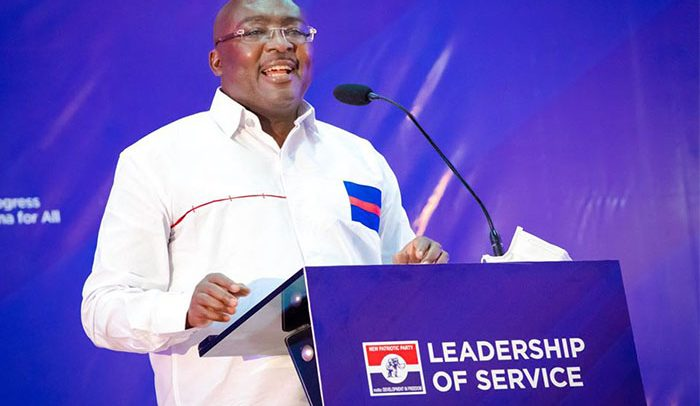
Ghana’s Vice President, Dr. Mahamudu Bawumia, has ended speculation about his intention to run in the 2024 presidential elections after his political surrogates picked up nomination forms on his behalf from the New Patriotic Party (NPP) headquarters today to make his political ambitions unambiguous.
The NPP presidential primary nomination process was opened today May 26, 2023, after the party published the date for the opening of nominations and modalities for the conduct of the primaries through a statement issued by its General Secretary, Justin Kodua Frimpong, on Thursday 25th May 2023. The statement said the Party’s presidential nomination process shall remain open from today May 26th until June 24, 2023.
Vice President Bawumia is the latest to add his name to the growing list of presidential candidates from the camp of the ruling NPP administration. The crowded list includes former Minister for Agriculture, Dr. Owusu Afriyie Akoto, Mr. Kwadwo Alan Kyerematen, former trade minister, Hon Joe Ghartey, former Minister for Railways, Honorable Addai Nimo, former MP for Mampong, among others.
The NPP General Secretary noted in his statement that all aspiring presidential candidates would be required to make a non-refundable deposit of GHC 50,000.00 through a banker’s draft issued to the New Patriotic Party National Headquarters in Accra as the payee.
Dr. Bawumia has been described by his peers as one of the most transformational leaders of Ghana. He has been the principal leader in the integration of Ghana’s economic trading platforms and financial technology systems to enhance business transactions in both the micro and macro business space.
Vice President Bawumia’s expanse experience in economics and financial engineering would come in handy. Having served as the Governor of the Central Bank of the Republic of Zimbabwe during one of the country’s debilitating economic challenges under the rule of the late Robert Mugabe, a Deputy Governor of the Central Bank of Ghana and a leading member of the current Ghana Economic Management Team.
During his tenure as the Head of the Monetary Policy and Financial Stability Department at the Bank of Ghana, under the President Kufour Administration, Dr. Bawumia was part of the architects who introduced and implemented the inflation-targeting framework which made Ghana’s currency, the Cedi, one of the best-performing currencies in the world.
As Vice President and a senior member of the NPP government’s Economic Management Team, Dr. Bawumia was instrumental in helping to grow Ghana’s economic output from a capricious 2.1 -3.4 percent (gross domestic product) GDP growth rate in the 2015-2016 fiscal period to a record 8.1 percent GDP growth rate in 2017. Ghana’s economic output continued to grow at a space of 6.5 percent rate in GDP after 2017 until the covid-19 pandemic and the economic complications from the Russian-Ukraine war upended world food security, trade, energy prices, shipping costs, and economic activities.
In the wake of the harsh economic crisis facing many developing countries post Covid-19, Ghana, which was on a path to economic stability and innovation in its financial sector, had to accept an economic bail-out arrangement with the International Monetary Fund (IMF), for a loan of $3bn to shore up its balance of payment and budget issues. As a condition, Ghana has agreed to make some deep cuts to some of its discretionary expenditures, increase local revenue and improve and maximize the country’s tax mobilization efforts.
]]>
The people of the Sekyere Kumawu Constituency in the Ashanti Region have voted massively for the ruling New Patriotic Party (NPP) to retain the parliamentary seat left vacant due to the demise of the sitting MP, the late Philip Basoah.
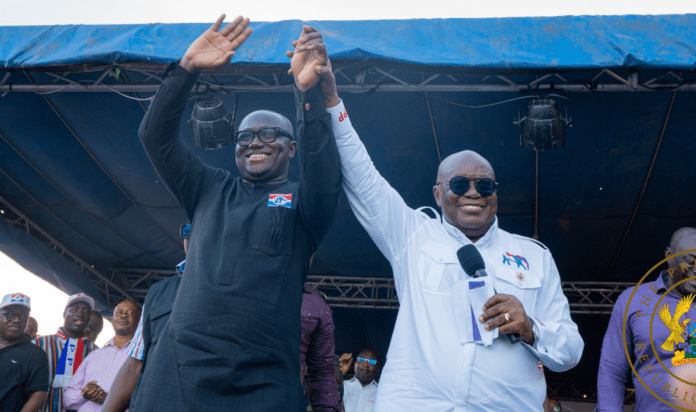
It was one of the most expensive and fiercely contested by-elections in Ghana, attracting political heavyweights including President Nana Addo Dankwah Akufo-Addo and his Vice Dr. Mahamudu Bawumia, a potential 2024 presidential candidate, as well as ex-President John Dramani Mahama, who is now the official 2024 presidential candidate for the opposition National Democratic Congress (NDC).
Four indigenous candidates; Ernest Yaw Anim (NPP), NDC’s Thomas Amankwaa, Duah Kwaku (Independent), and another Independent candidate, Kwaku Duah, engaged in an intense political brawl to appeal to the Kumawu constituents for their support.
The by-elections were preceded by the final funeral rites of the late MP, Hon. Philip Atta Basoah, which took place on the weekend prior to Tuesday, December 25, the day of the elections. It was attended by officials from the top hierarchy of government, political parties, and prominent chiefs including the Paramount Chief of the Kumawu Traditional Area, Barima Safo Tweneboa Kodua, as well as some of the late MP’s fellow lawmakers.
The late Philip Basoah, who passed on on March 27, 2023, after a brief health episode was a two-term MP. He was first elected to parliament in 2016 and re-elected in 2020 to represent the people of Kumawu. he was 53.
The winner of the by-elections, a certified Chartered Accountant, Ernest Yaw Anim, who stood on the ticket of the NPP garnered 70.19 percent (15264) of the valid votes cast to retain the Kumawu parliamentary seat for the ruling party.
Despite the tremendous showing of the NDC national leadership, led by ex-President John Mahama and Chairman Asiedu Nketiah to push their candidate Thomas Amankwaa to the finish line first, he came in a disappointing distant second with 17.29 percent (3723), Duah Kwaku, who came in second in the 2020 parliamentary elections as an independent, was rewarded with a paltry 11.51 percent (2478) whilst a relatively unknown political newcomer, a Tema-based business manager, Kwaku Duah came in fourth with 0.29 percent (62) votes.
Figures released by Ghana’s Electoral Commission (EC), through its Returning Officer, Paul Agyemang, put the total rate of turnout at 62.45 or 21,527 votes cast out of 34,790 registered voters in the Kumawu constituency.
]]>
Global Trade at Crossroads – Supply Chain Disruptions, Inflation, Sanctions
Protocols
Chairman of the Occasion
Friends of the Media
Distinguished Ladies and Gentlemen
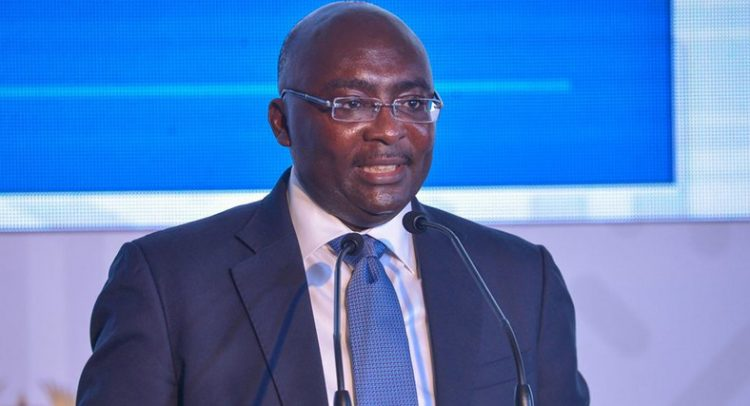
I would like to thank the IDU for the invitation extended to me to participate in this conference and to make some remarks on the very important topic of Global Trade at a Crossroads – Supply Chain Disruptions, Inflation, and Sanctions.
Manfred Steger characterized the global trade concept with the ‘Jabulani’ ball used in the 2010 South African World Cup. According to Steger, the ‘jabulani’ meaning ‘celebrate’ in the Zulu language was supplied by Adidas, a transnational corporation headquartered in Germany.
All ‘jabulani’ balls were manufactured in China using latex rubber made in India and thermoplastic rubber produced in Taiwan. The plastics, in turn, were generated from petroleum imported from the Middle East and Norway and carried on mostly South Korean-built ships.
This characterization, Ladies and Gentlemen, depicts the centrality of global trade in the economic and socio-cultural development and growth of our world.
The past two years have seen the world record two momentous landmarks in our history i.e. the COVID-19 Pandemic and the Russia-Ukraine war. These two events have significantly disrupted the global markets causing global prices to skyrocket especially for natural gas and oil as well as food prices.
Countries and economies throughout the world are experiencing severe challenges following the COVID-19 pandemic and the more recent Russia-Ukraine war. The pandemic, which started in early 2020, resulted in the greatest economic depression in the world since the 1930s with most countries recording negative GDP growth. Supply chain disruptions and the rising price of oil, which went up to a high of over $130, resulted in major increases in the prices of fuel across the globe with petrol prices doubling in many countries.
Furthermore, the global average cost of shipping a container has increased from $1,446 in December 2019 to $9,789 in February 2022 (an increase of 576%). This has dramatically increased the cost of shipping goods and therefore their prices on the market.
Food prices have also not been left out. The Food and Agriculture Organization (FAO) Global Food Price Index increased from 95.1 at the end of 2019 to 140.7 in February 2022 (an increase of 48%). The increase in commodity prices has been exacerbated by the Russia-Ukraine conflict.
In Ghana, for example, 30% of our cereal grains, wheat flour, and fertilizer were from Russia. 60% of iron rods and metal sheets imports were from Ukraine. 20% of Ghana’s manganese exports were to Ukraine.
Global inflation is on the rise and many advanced economies like the UK and USA are experiencing their highest inflation rates in 30 and 40 years. Countries as diverse as Spain, Algeria, and Nigeria are all feeling the impact of the price increases.
The economic damage of the war as evidenced in the forecasts is threatening the very fabric of our global community and portends to be even more severe with a protracted war. This phenomenon places global trade in a significantly unfavorable position and at a crossroads.
From the trends identified above, global trade can be said to be impacted presently through three main pathways.
First, higher commodity prices such as prices of food and energy drive up inflation which in turn reduces the value of incomes and demand.
Second, neighboring economies potentially face disruptions in supply chains and remittances.
Lastly, lower business confidence and greater uncertainty in investments are expected to negatively affect asset prices thereby tightening financial conditions and potentially leading to capital flights, particularly from emerging and developing economies.
Distinguished Ladies and Gentlemen, a survey by McKinsey & Company reveals that the combined effect of the global COVID-19 pandemic and the Russia-Ukraine war has forced many organizations to address vulnerabilities in their complex, highly globalized supply networks.
Many companies responded to these challenges by implementing dual or multiple sourcing strategies for critical materials while regionalizing their networks. The survey by McKinsey also observed companies shifting focus from visibility to improvements in demand and supply planning with an accompanying emphasis on supply chain digitization.
The revelations from the survey clearly highlight the complexities supply chain companies have had to deal with in recent years. Disruptions in land-based trade routes as well as sea freight routes have placed enormous pressure on global air cargo capacity causing a rise in air freight prices as a result of longer routes and fuel costs.
It is clearly evident, Distinguished Ladies and Gentlemen that these supply chain disruptions have been a major contributory factor to the persistent pressure on living costs.
These developments pose significant challenges for local economies and may lead to Governments looking inward by adopting backward nationalist policies in order to build resilient economies to withstand such shocks. The average citizenry is always at the receiving end of these shocks leaving them more exposed than ever to the shocks.
Mr. Chairman, even though the forecasts paint some gloomy prospects for global trade, a more nuanced assessment reveals how interconnected our world has become. This interconnectedness presents the silver lining for our world in these difficult times. It reveals that it is in forging close ties and making the most of the synergies of our global relationships so that our world can bounce back on the trajectory of growth. I can safely say that no country or region in the world is self-sufficient and we all depend on each other for sustenance.
Many countries are Re-evaluating global supply chains. Questions are being asked. How dependent should the world be on a few countries for critical supplies? Should countries not produce more of their own food and move towards alternative energy sources?
Europe is certainly moving towards reducing its dependence on Russian energy and expects to be fully independent of Russian energy in some 8 years.
The issue for Europe is a matter of trust. They do not trust that Russia and other countries will not use energy as a weapon of war in the future.
Sanctions have worsened Global supply and therefore increased the prices of energy and food. Developing countries and African countries in particular have borne the brunt of the global supply chain disruptions as well as sanctions because the shock absorbers have proven very thin to withstand the shocks.
Similarly, the infusion of technology in the manufacturing of products such as cars, telephones, computers, etc., depends on the global supply of semiconductor chips. The evolution of global supply chains resulted in the supply of semiconductor chips being concentrated in Taiwan and China.
COVID-19 also exposed the world’s vulnerability with the disruption in the supply of semiconductor chips. The continuing tensions between China and Taiwan are also making many countries start to think about reducing their dependence vulnerability in this area.
We are therefore beginning to see the emergence of supply chain nationalism. The question is how sustainable is this?
It is important that we do not forget the lessons of the Great Depression of the 1930s and the subsequent emergence of the new world order as countries came to understand the folly of economic nationalism.
Global trade at the crossroads requires the world to start new conversations around sustainable and more inclusive growth and trade. We need to start laying the foundations for greater collaboration on trade diversification through standardization as well as leveraging technology to break more barriers.
In Africa, we have formed the AfCFTA, the largest free trade area in the world to enhance trade amongst African counties. Economic nationalism in the context of the AfCFTA will be defeatist. You cannot open Africa for trade and at the same time close your individual doors. Africa needs more trade and value addition for its exports and not less.
Policymakers in these difficult times must strengthen macroeconomic policy buffers and institutions to promote stability. There is also the need to strengthen social protection frameworks to protect the vulnerable for a more just and equal recovery.
As globalists, ours is a more connected world working towards shared growth and prosperity. We owe it to ourselves and posterity to keep breaking barriers to ensure that the gap between developed and emerging markets is continuously bridged for the good of us all.
The time is ripe for conversations around transitions to the green economy and leveraging technology to overcome disruptions in the global supply chain ecosystems.
Ladies and Gentlemen, democracy, rule of law, and respect for the territorial integrity of countries is what will create peace and global stability for trade to flourish. The current supply chain and global trade disruptions are linked more to disruptions to democracy, rule of law, and lack of respect for the territorial integrity of countries.
Jihadist terrorism in the Sahel is a major threat to global trade and is creating instability in Chad, Mali, Burkina Faso, Niger, Nigeria, and the West African region.
The Islamic Jihadists have no respect for the territorial integrity of the countries they seek to take over. It is important that the world does not turn a blind eye to what is happening in West Africa otherwise we would wake up one day and find that these countries which supply the world most of its cocoa, as well as oil, gold, and other precious minerals will be under the control of Jihadist terrorists.
The disruption to global trade and supply chains will be serious. Making sure these countries have peace and are stable and prospering democracies is what the world should do. A fraction of what the west is currently in Ukraine will make a very big difference in the countries under the jihadist threats in west Africa.
Thank you once again for the invitation and I look forward to fruitful discussions on our collaborative efforts to overcome this challenging period in human history.
Thank you for your attention.
]]>